
How mitochondria make ATP
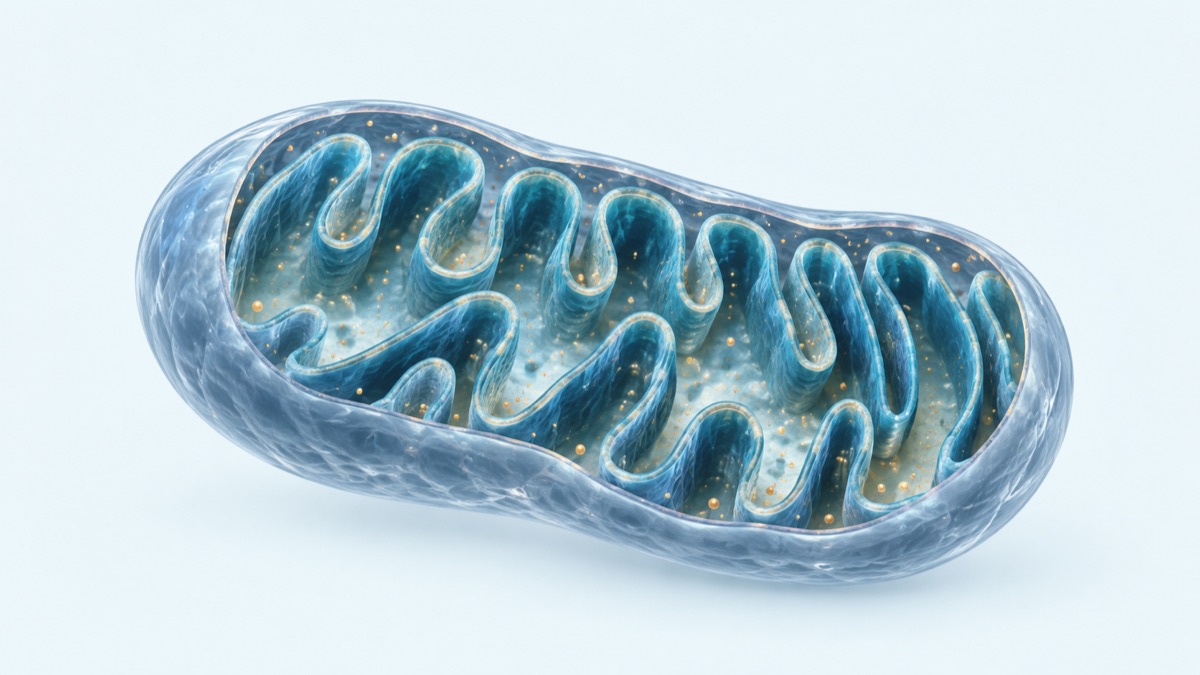
Fuel metabolism supplies electrons
The respiratory chain builds a proton gradient
Protons flow through ATP synthase
ADP + phosphate → ATP
Selective recycling: mitophagy
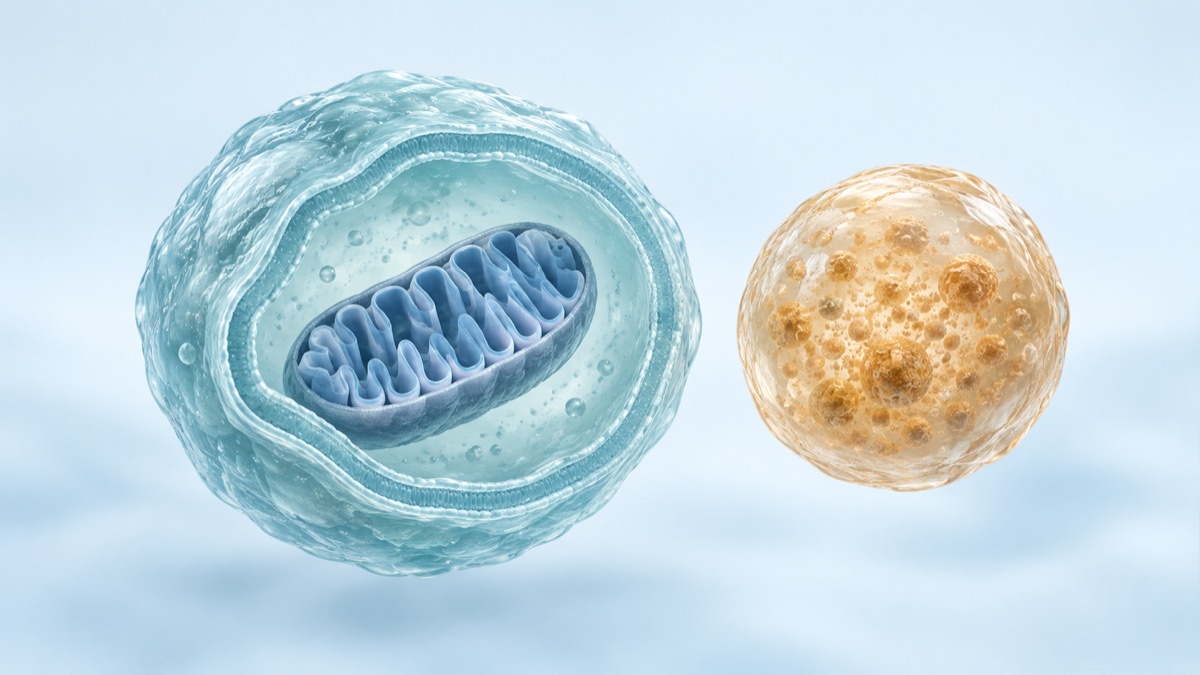
A mitochondrion is selected for removal
An autophagosome encloses the material
Fusion with a lysosome enables breakdown
Cellular components can be recycled
More than ATP production
Electron transport in the inner membrane helps establish the gradient used to make ATP. Redox signalling and the repair or removal of damaged components also matter. Mitophagy removes selected mitochondria; biogenesis makes new components. More mitochondria, more respiration and better physical function are different measurements. [1] [2]
Human muscles can adapt
A 12-week intervention compared interval, resistance and combined exercise in younger and older adults. Interval and combined training improved aerobic capacity and muscle mitochondrial respiration; adaptations differed by training mode. Muscle samples and exercise tests showed change, not reversal of whole-body ageing or an extension of lifespan. [1]
Mechanism and function need separate tests
In a trial of 66 adults aged 65–90, urolithin A at 1,000 mg/day for 4 months improved selected secondary endurance tests at 2 months. The primary walking-distance and maximal ATP-production outcomes were not significantly better than placebo. The finding illustrates why a mitochondrial mechanism cannot substitute for a clinical outcome. [2]
Start with function you can understand
Walking capacity, strength and the ability to sustain activity are useful questions alongside molecular measurements. Use the Movement guides for practical starting points suited to health and experience. Persistent fatigue has many possible causes; it is not a diagnosis of mitochondrial dysfunction. [1]
Sources & research context
- Robinson MM et al. Enhanced Protein Translation Underlies Improved Metabolic and Physical Adaptations to Different Exercise Training Modes in Young and Old Humans. Cell Metabolism. 2017;25:581–592.
Human exercise intervention · 12 weeks
- Liu S et al. Effect of Urolithin A Supplementation on Muscle Endurance and Mitochondrial Health in Older Adults. JAMA Network Open. 2022;5:e2144279.
Randomized placebo-controlled trial